Journey is not just a transform of locale—it is a alter of cognitive load. The psychological knowledge of traveling to a megacity differs essentially from touring to a little city. Just about every ecosystem activates distinctive psychological states, psychological responses, and behavioral styles. I'm Gus Woltmann and I've traveled to in excess of one hundred metropolitan areas.
Megacities: Stimulation and Identification Expansion
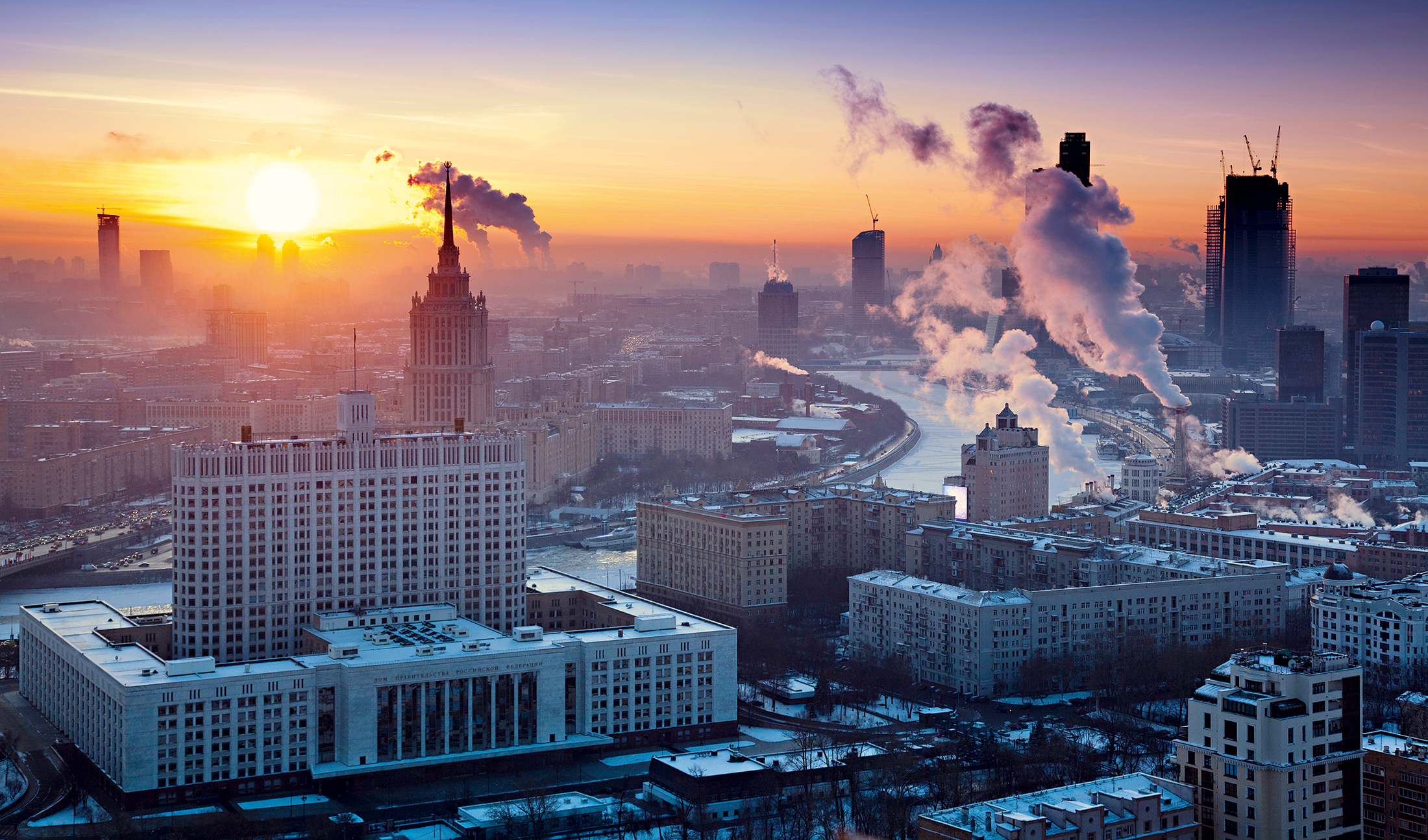
Megacities like Tokyo, New York City, and London operate at a psychological depth that lesser environments not often tactic. Their defining element is density—not simply of men and women, but of possibilities, indicators, and identities. For travelers, this density produces heightened stimulation and a definite cognitive point out.
From the perceptual standpoint, megacities bombard the senses. Visual complexity—billboards, layered architecture, crowds—demands constant notice. Auditory enter hardly ever stops. Movement is continuous. This sensory saturation activates alertness and exploratory actions. The Mind shifts into substantial-engagement mode, scanning for patterns and novelty.
Preference abundance amplifies this influence. In the megacity, each and every choice branches into dozens more: neighborhoods to take a look at, cuisines to sample, gatherings to go to. This multiplicity generates a feeling of enlargement. Vacationers often report which they come to feel “bigger” in big towns—not physically, but psychologically. Town supplies permission to experiment. You can adopt different kinds, social roles, or everyday rhythms with minimal consequence for the reason that anonymity safeguards reinvention.
Anonymity is central to id growth. In huge populations, social surveillance weakens. Tourists can blend into crowds, no cost from expectation or familiarity. This generates a paradoxical freedom: invisibility permits self-expression. You'll be able to be Daring, eccentric, formidable, or introspective without social penalty.
On the other hand, stimulation carries fees. Continual determination-creating boosts cognitive load. Navigating transit techniques, evaluating basic safety, filtering crowds—these jobs demand psychological Power. Sound and crowd density can elevate worry responses, especially for These unaccustomed to city intensity. Precisely the same environment that excites could also exhaust.
Megacities also distort time perception. Days experience compressed since ordeals stack quickly. Only one afternoon may possibly involve several neighborhoods, cuisines, and social interactions. Memory development will become episodic and vivid, anchored to novelty.
For several tourists, megacities represent chance. They symbolize ambition, creativeness, and motion. Psychologically, they function as arenas for expansion—spaces the place people today test identities, come across variety, and working experience the velocity of modern lifestyle at total scale.
In a very megacity, vacation becomes much less about rest and more about activation. It's not at all restoration that pulls persons in—but stimulation, and the promise of becoming temporarily bigger than a single’s program self.
Modest Cities: Restoration and Social Coherence
Smaller cities give a psychological natural environment essentially unique from that of megacities. Where by significant city facilities promote, modest towns regulate. Their defining qualities—reduced density, slower tempo, and social familiarity—decrease cognitive load and market mental restoration.
In smaller configurations, sensory enter is moderated. Streets are quieter, website traffic lighter, signage small. The Visible discipline is significantly less cluttered, and navigation needs fewer rapid conclusions. This reduction in environmental complexity lets the Mind to shift out of superior-warn method. Focus gets to be softer, more diffuse. Tourists generally describe feeling calmer in just several hours of arrival.
Predictability plays a central function. In compact cities, everyday rhythms are legible. Shops open up and close at constant situations. Community spaces provide obvious functions. Social interactions tend to be more structured and sometimes repeated. This coherence lowers uncertainty, which subsequently decreases stress. The intellect not must consistently Consider threats or options.
Social visibility also variations the psychological landscape. Not like in megacities—exactly where anonymity permits independence—compact towns make individuals additional obvious. Tourists could come upon precisely the same shopkeeper numerous periods in each day. Eye Call is more Repeated. Conversations get started much more quickly. While this visibility can originally experience unpleasant, it normally fosters connection. Recognition replaces invisibility.
The natural environment itself usually supports restoration. Compact towns in many cases are nearer to organic landscapes—coastlines, forests, mountains—which even further improve psychological recovery. Regardless if not rural, they tend to integrate inexperienced House and open skies in techniques megacities simply cannot.
Time perception shifts noticeably. With no regular novelty or urgency, hours stretch. Pursuits unfold sequentially rather then simultaneously. A morning coffee, a stroll, in addition to a conversation can define an entire day. Memory development will become less fragmented and much more emotionally coherent.
For vacationers enduring burnout, smaller cities provide cognitive relief. Selection-generating narrows to uncomplicated decisions. Motion slows to going for walks rate. The emphasis shifts from exploration to existence.
Psychologically, small towns contract the self inward. Instead of expanding identity by means of experimentation, they reinforce balance and continuity. Vacationers leave not overstimulated, but recalibrated—carrying a sense of clarity that emerges only when external noise subsides.
Time Perception and Memory
Vacation reshapes not only where we are, but how we experience time. The scale of the desired destination—megacity or small city—instantly influences temporal notion and how Recollections are encoded.
In megacities, time compresses. Substantial stimulus density accelerates subjective knowledge. An individual day in New York City or Tokyo may contain multiple neighborhoods, cuisines, languages, and social encounters. The Mind procedures consistent novelty, which will increase attentional engagement but fragments expertise into fast episodes. Hours experience small even though They can be taking place, however retrospectively the working day feels dense and expansive mainly because much transpired.
This paradox is tied to memory formation. Novelty strengthens encoding. The greater unique occasions packed right into a time-frame, the richer the memory trace. Megacity travel normally makes vivid, scene-based mostly recollections—particular intersections, subway rides, rooftop sights—due to the fact Each and every environment differs sharply from the final.
Tiny cities make the opposite temporal distortion. Reduced stimulus density slows subjective time. Devoid of continual novelty, attention broadens and deepens in lieu of scanning swiftly. A early morning stroll, a lengthy meal, or a recurring route through a village may possibly really feel prolonged and unhurried.
Memory in these environments types all-around emotional continuity rather then episodic range. Instead of recalling a lot of separate scenes, vacationers remember environment—light-weight, peaceful streets, recurring faces. The practical experience feels cohesive as opposed to fragmented. Times blur gently into one another, nonetheless leave guiding a strong emotional imprint.
Regime also plays a task. In smaller towns, vacationers generally adopt straightforward day by day rituals: the identical café, the exact same walking path. Paradoxically, repetition can intensify attachment. Familiarity builds convenience, and luxury enhances reflective awareness.
Eventually, scale styles time notion. Megacities compress time via saturation; modest cities extend it via simplicity. Equally deliver meaningful memories, but by means of unique mechanisms—a person via intensity and variation, the opposite by clarity and coherence.
Being familiar with this contrast assists vacationers anticipate how a spot will experience. The question is not only in which to go, but how you desire time by itself to behave when you are there.
What Tourists Search for
The selection concerning a megacity and a little city is never random. Beneath logistical criteria—cost, distance, weather—lies a psychological motive. Travelers choose environments that align with internal states or compensate for them. In this sense, destination choice functions as emotional self-regulation.
Some tourists request enlargement. Megacities which include London or Tokyo assure multiplicity—of lifestyle, Delicacies, Occupations, identities. For individuals feeling constrained by routine, large towns give symbolic and simple scale. The density of option results in a way of chance. Even brief visits can really feel transformative, as if proximity to ambition or innovation quickly enlarges just one’s possess prospective.
Other individuals look for validation through immersion in world importance. Standing in the metropolis recognized all over the world can develop a feeling of participation in some thing larger than oneself. The skyline, the crowds, the historic establishments—all reinforce a narrative of relevance. For some, this affirms id; for Other folks, it provides distinction to lifestyle.
Conversely, travelers suffering from cognitive tiredness or psychological overload generally gravitate toward lesser environments. A town like Reykjavik, though technically a funds, gives compact scale and straightforward orientation. Scaled-down towns lower selection exhaustion, decrease sensory input, and simplify social conversation. The appeal lies not in growth, but in recalibration.
Some travelers search for anonymity; Other individuals request recognition. In megacities, anonymity makes it possible for experimentation without consequence. In smaller towns, recurring interactions foster familiarity and relationship. The choice demonstrates tolerance for visibility. Individuals craving liberty might want invisibility in crowds; These craving belonging may perhaps favor environments wherever faces recur.
There's also a rhythm-dependent inspiration. Substantial-energy men and women may perhaps pursue stimulation and nightlife. Some others may pursue sluggish mornings, extensive conversations, and character-adjacent silent. The chosen setting mirrors wished-for tempo.
Importantly, these motivations shift with time. A traveler inside their twenties may perhaps prioritize novelty and scale, whilst precisely the same human being later seeks depth and stillness. Burnout, existence transitions, or Specialist pressures can quickly change preference. Travel turns into a diagnostic Device—revealing what just one currently lacks.
In the end, vacationers will not be deciding upon concerning places approximately among mental states. Megacities offer you activation, wide variety, and outward enlargement. Compact cities offer restoration, coherence, and inward focus. Recognizing this distinction enables much more intentional travel preparing.
Essentially the most fulfilling excursions arise when spot and psychological need to have align. Whenever they do, journey feels considerably less like escape—and a lot more like adjustment, restoring harmony amongst stimulation and simplicity.
What Vacationers Seek out
The choice between a megacity and a little city isn't random. Beneath logistical factors—Expense, distance, weather—lies a psychological motive. Travelers pick out environments that align with inside states or compensate for them. With this feeling, location choice capabilities as psychological self-regulation.
Some vacationers look for expansion. Megacities which include London or Tokyo guarantee multiplicity—of tradition, cuisine, Professions, identities. For individuals feeling constrained by plan, substantial metropolitan areas provide symbolic and practical scale. The density of prospect generates a sense of risk. Even limited visits can truly feel transformative, as if proximity to ambition or innovation briefly enlarges 1’s own probable.
Other individuals look for validation as a result of immersion in world-wide significance. Standing in a very metropolis regarded around the world can create a sense of participation in one thing larger than oneself. The skyline, the crowds, the historic establishments—all reinforce a narrative of importance. For many, this affirms identity; for Some others, it provides distinction to daily life.
Conversely, vacationers experiencing cognitive tiredness or psychological overload typically gravitate towards more compact environments. A city like Reykjavik, although technically a cash, provides compact scale and straightforward orientation. Smaller towns cut down selection exhaustion, reduce sensory enter, and simplify social conversation. The attraction lies not in enlargement, but in recalibration.
Some travelers seek out anonymity; Many others look for recognition. In megacities, anonymity lets experimentation with out consequence. In modest cities, repeated interactions foster familiarity and connection. The choice demonstrates tolerance for visibility. These craving independence may well prefer invisibility in crowds; Individuals craving belonging may well prefer environments in read more which faces recur.
There may be also a rhythm-based determination. Significant-Electrical power people could go after stimulation and nightlife. Many others may pursue slow mornings, prolonged discussions, and mother nature-adjacent silent. The picked out atmosphere mirrors wanted tempo.
Escapism vs. Integration
One more psychological dimension is whether or not a traveler seeks escape or integration. Megacities generally aid escape: they overwhelm present id buildings and offer temporary reinvention. One can step outside Expert roles or social expectations with relative ease. The surroundings supports fragmentation and experimentation.
Tiny towns, by contrast, often motivate integration. Their slower tempo and repeated interactions advertise reflection. Travelers might confront thoughts or emotions that busy cities help suppress. Rather than becoming someone new, they reconnect with who they now are.
Importantly, these motivations change after some time. A traveler may well pursue stimulation in one season of everyday living and simplicity in A further. Burnout, ambition, grief, or celebration can all redirect desire.
Eventually, travelers aren't choosing concerning sites just as much as amongst mental states. When destination and psychological have to have align, journey feels purposeful as opposed to reactive—much less about escape, more details on harmony.